
Businesses across the UAE are paying closer attention to how they manage daily waste. Many are now setting up dedicated recycling stations to sort materials properly, reduce landfill waste, and support cleaner workplace operations.
Getting a recycling station right takes more than buying a few bins and finding empty floor space. It requires understanding what waste a business actually produces, where people move through the building, and how to keep the system running without constant supervision.
Many businesses work with Crateco Pack LLC, a trusted recycling bins supplier in the UAE, to source reliable containers that match their daily waste management needs.
What Is a Recycling Station?
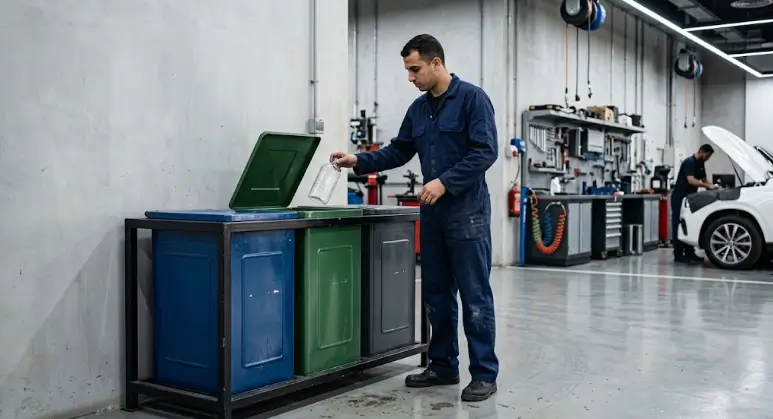
A recycling station is a designated area where waste is sorted into separate bins based on material type, such as paper, plastic, glass, and general waste. Instead of throwing everything into one bin, employees and customers separate materials at the point of disposal.
Recycling stations are used in offices, warehouses, retail stores, restaurants, and industrial facilities. When set up correctly, they make it easier to divert recyclable materials away from landfills while keeping waste management organized and predictable.
Why Are Businesses Setting Up Recycling Stations in the UAE?
Waste management has become a growing priority for businesses across the UAE as sustainability expectations increase from customers, employees, and regulators. Companies generate significant amounts of packaging, paper, and plastic waste every day, and much of it can be recycled instead of sent to landfill.
Setting up a proper recycling station allows businesses to reduce waste disposal costs, meet sustainability commitments, and create a cleaner, more organized workplace. As more companies adopt formal waste management practices, recycling stations have become a standard part of daily operations rather than an optional add-on.
Key Considerations for Setting Up a Recycling Station
1. Know Your Waste Streams Before You Start
Every business generates a different mix of waste. A retail store, a warehouse, and an office produce different amounts of paper, packaging, and food waste, so a generic setup rarely works well.
Reviewing what actually fills up your bins over a few days gives a much clearer picture than guessing. This step helps businesses avoid buying the wrong bin types or sizes before the program even begins.
2. Assign Ownership of the Program
Recycling stations rarely stay effective without someone responsible for them. This does not need to be a full-time role. In smaller businesses, it is often one employee keeping an eye on things, while larger companies may assign a small team.
This person checks contamination levels, coordinates with the waste collection provider, and makes adjustments when something in the system stops working as expected.
3. Choose Bins Based on Your Waste Streams
Once the main waste categories are known, businesses should select bins that match those specific materials rather than settling for whatever containers are easiest to find. Durability also matters, since bins that crack or wear out quickly end up costing more over time than a slightly higher upfront investment.
Many businesses source recycling bins from Crateco Pack LLC for this reason, since the range covers different sizes and stream types, making it easier to build a station around real waste patterns instead of a one-size-fits-all setup.
4. Place Stations Where People Actually Pass By
Placement has a bigger impact on participation than most businesses expect. A recycling bin tucked into a back corner or a rarely used hallway will almost never get used, no matter how well it is labeled.
Entrances, break rooms, near printers, and loading areas are usually the highest-traffic spots worth prioritizing. People are far more likely to recycle when it is roughly as easy as throwing something away.
5. Pair Recycling Bins With General Waste Bins
A recycling bin sitting on its own tends to collect everything, including items it was never meant for. Placing a general waste bin directly next to it gives people an obvious choice instead of forcing them to guess.
This pairing also makes contamination easier to spot, since misplaced trash stands out clearly next to a properly labeled recycling bin.
6. Use Clear, Consistent Labeling
Confusing or inconsistent labels are one of the most common reasons recycling programs fail. Every bin should clearly show, using simple text, icons, or color coding, exactly what belongs inside it.
Consistency across the entire building matters as much as clarity on each bin. If labeling changes from floor to floor, employees end up relearning the system every time they change locations.
7. Match the Collection Schedule to Bin Volume
An overflowing bin discourages proper use and signals that the system is not being managed. Collection frequency should be based on how quickly each station fills up rather than a single fixed schedule applied across the whole building.
High-traffic stations near entrances or break rooms usually need more frequent collection than quieter areas like private offices or storage zones.
8. Train Employees and Reinforce the Habit
A single announcement about a new recycling program rarely changes behavior long-term. Short training sessions, simple posters near each station, and regular reminders help correct sorting become automatic rather than something people have to think about.
New employees should also be introduced to the recycling setup during onboarding so it becomes part of the normal routine from day one.
9. Review and Adjust the Setup Over Time
Waste patterns shift as a business grows or operations change. Reviewing bin usage, contamination levels, and employee feedback every few months helps identify what needs to change before problems build up.
Sometimes this means adding a bin in a new location, sometimes it is simply refreshing signage that has become unclear. Regular check-ins keep the system relevant instead of slowly becoming outdated.
Businesses That Commonly Set Up Recycling Stations
Recycling stations are used across many types of businesses, not just large corporations. Common examples include:
- Offices and corporate workplaces
- Retail stores and shopping centers
- Warehouses and distribution centers
- Restaurants and food service outlets
- Hotels and hospitality venues
- Schools and educational facilities
- Co-working spaces
- Manufacturing facilities
Because waste management needs differ across these settings, recycling stations are typically customized based on the type and volume of waste each business generates.
Features to Look for in Recycling Bins
Choosing the right bins plays a major role in how well a recycling station performs over time. Useful features to look for include:
- Durable, impact-resistant material
- Clear compartments or color coding
- Stackable or space-saving design
- Easy-to-clean surfaces
- Secure, well-fitted lids
- Resistance to moisture and odors
- Available in multiple sizes
- Wheels for easy relocation
These features help keep a recycling station functional, hygienic, and easy to manage on a daily basis.
How a Well-Planned Recycling Station Supports Business Growth
As a business grows, waste volumes grow with it. A recycling station that works well for a small office may not hold up once the same business moves to a larger facility or adds new departments.
Planning a flexible, well-organized system from the start makes it easier to scale up later without redesigning the entire setup. Businesses that build strong waste management habits early are better positioned to keep operations organized as they expand.
Choosing the Right Recycling Setup for Your Business
Every business has different waste handling needs, so there is no single setup that works everywhere. Before finalizing a recycling station, businesses should consider:
- Type and volume of waste generated
- Available floor space and layout
- Foot traffic patterns throughout the building
- Indoor versus outdoor placement
- Industry-specific hygiene requirements
- Budget for bins and ongoing collection
- Expected business growth
Considering these factors helps businesses build a recycling station that fits their actual operations instead of a generic template.
Conclusion
Setting up a recycling station successfully depends on more than good intentions. Understanding your waste, choosing the right bins, placing them thoughtfully, and keeping employees engaged all shape whether the system actually works day to day.
Businesses that plan around these considerations end up with recycling stations that stay effective, reduce waste, and continue to perform well as the business grows.
You Also Like: Sharjah Islamic Bank Fees, Charges & Profit Rates 2026