
The heart works continuously to circulate blood throughout the body, supplying tissues and organs with oxygen and essential nutrients. Problems affecting the heart, blood vessels or electrical system can interfere with this function and may lead to symptoms ranging from chest discomfort and breathlessness to fatigue, palpitations or reduced exercise tolerance.
Modern cardiology covers far more than emergency treatment for heart attacks. It includes prevention, diagnosis, medical management, interventional procedures, cardiac surgery and long-term follow-up. Advances in imaging, catheter-based procedures and monitoring have also made it possible to diagnose many heart conditions earlier and treat them with greater precision.
What Does Modern Cardiology Cover?
Cardiology focuses on the prevention, diagnosis and treatment of diseases affecting the heart and circulatory system. Cardiologists manage a broad range of conditions, including coronary artery disease, heart failure, heart rhythm disorders, valve disease, hypertension and congenital heart conditions.
Treatment is approached according to the patient’s condition, age, medical history and overall cardiovascular risk. Some patients may need medicines and lifestyle changes, while others may require procedures such as angioplasty, stenting, catheter-based valve treatment or electrophysiology interventions.
The first step is usually a detailed assessment to understand the underlying problem rather than treating symptoms alone.
Major Areas of Cardiology
Cardiology includes several specialised areas, allowing patients with different heart conditions to receive focused care.
- Preventive Cardiology: Focuses on reducing the risk of cardiovascular disease through assessment and management of factors such as high blood pressure, high cholesterol, diabetes, obesity and smoking.
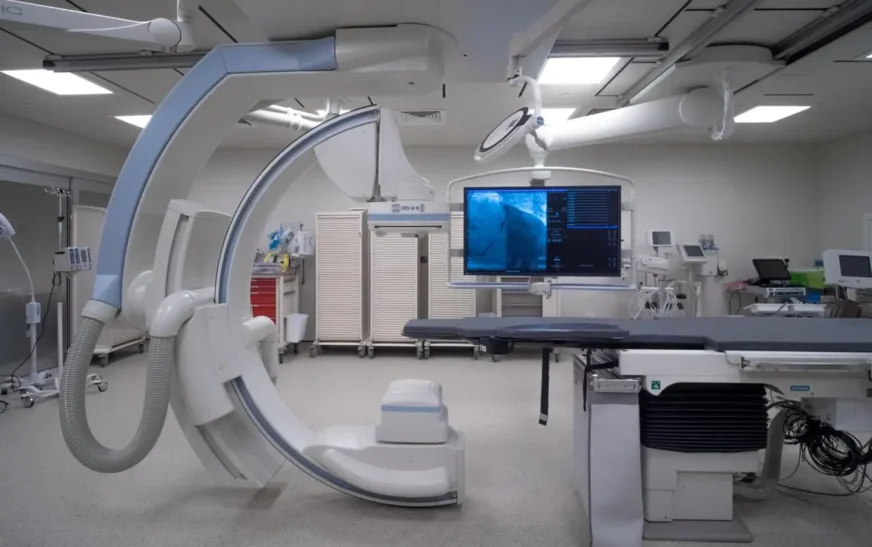
- Interventional Cardiology: Uses catheter-based procedures to diagnose and treat conditions affecting the coronary arteries and heart valves.
- Electrophysiology: Deals with abnormal heart rhythms and may involve procedures such as catheter ablation or implantation of cardiac devices.
- Heart Failure Care: Provides assessment and treatment for patients whose heart cannot pump blood effectively.
- Structural Heart Care: Addresses abnormalities involving heart valves and other structures using both surgical and minimally invasive approaches.
- Adult Congenital Cardiology: Provides specialised care for adults living with congenital heart defects that were present from birth or repaired during childhood.
Adult Congenital Heart Care
Some people reach adulthood with a heart condition that was diagnosed during childhood, while others may only discover a congenital defect later in life. These conditions can include abnormalities involving the heart chambers, valves or major blood vessels.
An adult congenital cardiology hospital provides specialist assessment for adults with these conditions. Long-term follow-up may be required even after a congenital defect has been repaired, as some patients can develop rhythm problems, valve complications or changes in heart function over time.
Specialist care focuses on understanding the original heart defect, previous procedures and the patient’s current cardiovascular status before deciding on further treatment.
Advanced Cardiac Diagnosis
Accurate diagnosis is central to effective cardiac care. Depending on the symptoms and suspected condition, a cardiologist may recommend tests such as:
- Electrocardiogram (ECG)
- Echocardiography
- Exercise stress testing
- Holter or ambulatory rhythm monitoring
- CT coronary angiography
- Cardiac MRI
- Coronary angiography
- Blood tests
These investigations provide information about the heart’s rhythm, structure, pumping function and blood supply. Using the appropriate test helps the cardiology team develop a treatment plan based on objective findings.
Treatment Beyond Medication
Medication remains an important part of treating many heart conditions. However, some problems require an intervention when medicines alone cannot adequately restore blood flow or correct a structural abnormality.
For patients with narrowed coronary arteries, angioplasty and stenting may be used to improve blood flow. Certain valve disorders can also be treated through catheter-based techniques in appropriately selected patients.
Patients with significant rhythm disorders may require procedures such as catheter ablation or an implanted cardiac device. The choice depends on the type of rhythm problem, symptoms and overall cardiac function.
The Patient Journey: From Assessment to Follow-Up
Cardiac treatment does not end after a procedure. A complete care pathway begins with consultation and diagnostic testing, followed by treatment and continued monitoring.
A cardiologist may work alongside cardiac surgeons, radiologists, cardiac anaesthetists, physiotherapists, nurses and other specialists depending on the patient’s condition. This approach is particularly important for complex cases where several aspects of heart health need to be considered together.
After treatment, follow-up appointments help monitor recovery, review medications and identify any changes that may require further attention. Lifestyle measures such as regular physical activity, a balanced diet, weight management and avoiding tobacco may also form part of long-term cardiac care.
Choosing the Right Heart Care in Dubai
Cardiac conditions can vary considerably in their severity and treatment requirements. Choosing a hospital with experienced cardiologists, diagnostic facilities, interventional services and coordinated follow-up can help patients receive care appropriate to their condition.
Patients looking for the best heart hospital in Dubai should consider the availability of specialist expertise, cardiac diagnostics, emergency support, interventional cardiology and multidisciplinary care rather than relying on a single measure.
Aster Hospitals provides cardiology services covering assessment, diagnosis, medical treatment and interventional cardiac care. The appropriate treatment is determined after evaluating the patient’s symptoms, investigations and individual cardiovascular needs.
A Patient-Centred Approach to Cardiac Care
Every heart condition has its own clinical considerations. A patient with coronary artery disease may require a very different treatment pathway from someone with a congenital heart defect, valve disorder or abnormal heart rhythm.
Modern cardiology therefore places emphasis on accurate diagnosis and personalised treatment. Early assessment can help identify cardiovascular problems before they become more difficult to manage, while regular follow-up supports long-term heart health.
For patients living with a known heart condition or experiencing new symptoms such as persistent chest discomfort, unexplained breathlessness, fainting or palpitations, timely medical evaluation is important.