
The DPI test in Sharjah was a fast diagnostic blood-based COVID-19 screening test that used a small drop of blood taken from a finger prick and laser-based Diffractive Phase Interferometry (DPI) technology to identify changes in the cells that were signs of a viral infection. During the pandemic, it was widely used as results typically arrived within minutes, allowing the social distancing option of traveling to have the test taken elsewhere. The test has since been dropped and PCR testing has become the preferred way to diagnose someone, as recommended by health authorities. Accredited hospitals and diagnostic labs provide COVID-19 PCR tests for travelling, working and medical-related reasons in Sharjah today. Always refer to your airline or destination before booking a test – requirements may change from time to time.
What Is a DPI Test?
During COVID-19, this blood-based screening test, called DPI (Diffractive Phase Interferometry) Test, was offered. While research by the Centers for Disease Control and Prevention (CDC) used an RNA test to test samples taken from the nose or throat, the DPI method used laser technology to study the changes in blood cells.
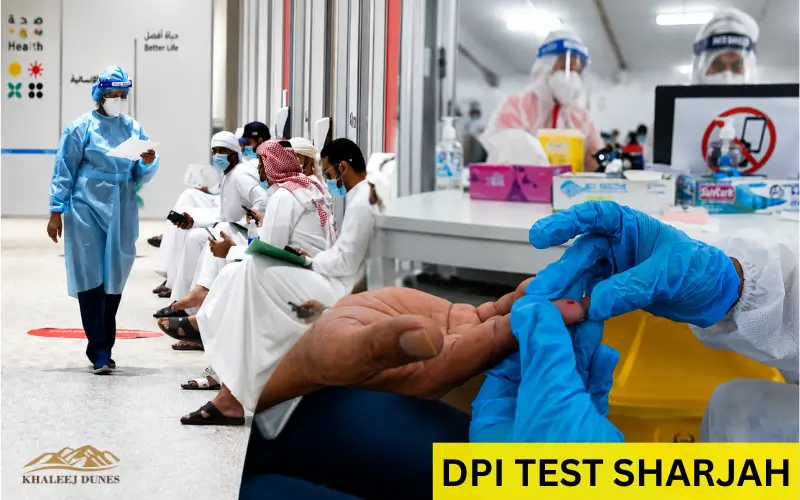
What was done was that a small blood sample was taken from the finger. The resulting sample was then tested with cutting-edge optical technology that was able to detect changes in cells appearing due to viral infection. Results were generally available within minutes, much quicker than lab-based molecular screening.
Why Was the DPI Test Introduced?
Healthcare authorities called for testing methods that could process large numbers of people efficiently during the Pandemic. Traditional PCR testing provided diagnostic accuracy and was still very useful but did require extra processing time, trained technicians and equipment in the laboratory. Rapid screening technologies were introduced which made it easier for healthcare providers:
- Boost test capacity during peak times.
- Minimize waiting times at screening centres.
- Enhance travel screening of travel.
- Quickly identify potential infections.
- Provide public health monitoring support during outbreak situations.
The quick and easy nature of the test provided the most benefit when demands were especially high, at times.
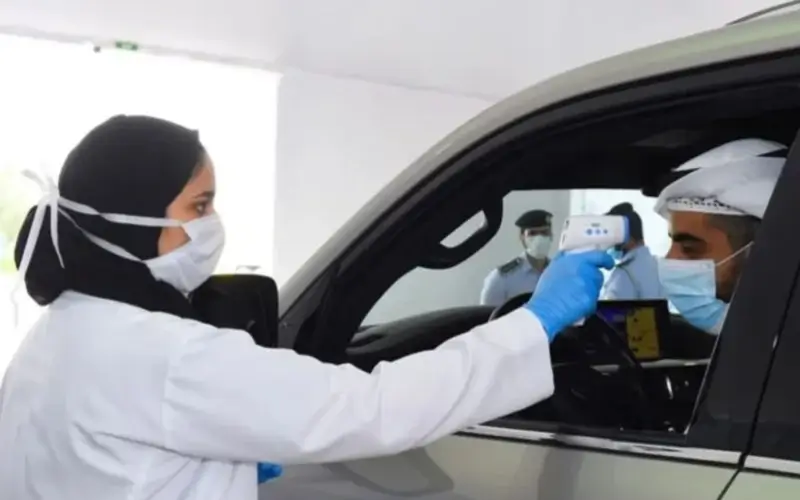
How did the DPI Test work?
This represented a different technology from the traditional diagnostic methods. To identify the viral genetic material, it analysed the interaction between blood cells and laser light.
The testing process went more or less as follows:
- Patient’s fingertips were disinfected by a healthcare professional.
- A small amount of blood was drawn by a sterile Lancet.
- The sample was put in a special testing machine.
- Optical technology using a laser was used to study the cells’ properties.
- Artificial intelligence-assisted analysis generated a screening result.
- The patient received the outcome within a relatively short period.
This facilitated the screening of many people at once without the need for complex laboratory processing.
How Was It Different from PCR Testing?
Many people confused DPI screening with PCR testing because both were associated with COVID-19 detection. However, the two methods served different purposes.
| Feature | DPI Test | PCR Test |
| Sample Type | Finger-prick blood sample | Nasal or throat swab |
| Testing Method | Optical blood cell analysis | Molecular genetic analysis |
| Result Time | Usually within minutes | Several hours to one day |
| Primary Purpose | Rapid screening | Diagnostic confirmation |
| Laboratory Requirement | Minimal | Required |
PCR testing remained the internationally accepted diagnostic standard because it directly detected viral RNA, while DPI functioned primarily as a rapid screening tool.
Key Benefits of DPI Screening
Convenience was one of the primary reasons why it became popular. Those who required prompt screening tended to choose this option, since this method was simple and much quicker than waiting for the laboratory findings.
It had several distinct merits:
- Fast results for high-throughput screening.
- Easy blood sample collection using a method of finger prick.
- Shortened waiting time from laboratory testing.
- Many people find it an easy procedure.
- Effective screening when there is increased public demand.
The technology is especially useful in all these cases when governments and healthcare providers need to process thousands of people in a matter of a day.
Who Could Take the Test?
- Those who are permitted to travel meeting the entry requirements.
- Those who need to move between emirates.
- Employment in critical industries.
- People involved in mass gatherings.
- Individuals needing COVID-19 preliminary screening that requires speed.
The eligibility requirements were changed frequently as infections rose, and scientific evidence and changing public health advice pwere resented. However, most of the requirements were phased out as the pandemic conditions eased.
Cost of the Test
Widespread availability of the screening method led to prices of AED 50 – AED 75, depending on the scope of the screening and from which testing centre. A few health organizations provided the service alone, and others provided it as a travel or workplace screening; a few others provided it as part of a package of various services. To keep centers accessible to many residents and visitors, government-authorized centers had a uniform pricing structure during peak demand periods.
| Service | Typical Cost (AED) | Estimated Result Time |
| DPI Screening | 50–75 | Usually within minutes |
| PCR Test | 100–250* | A few hours to 24 hours |
*PCR pricing varied by healthcare provider and testing requirements.
Where Was the Test Available?
Much of the screening was carried out at various designated health and well-being centres, testing centres and some port points of entry during the peak of the pandemic. Some residents preferred shorter wait times and travelers frequently went to centers suggested by local health officials before starting their trips.
To boost efficiency and cut down on the wait, healthcare providers implemented online scheduling. Due to variable availability and daily capacity, some sites offered walk-in testing. People were warned to check the hours of a center and what kind of ID is needed before coming to a facility to prevent delays.
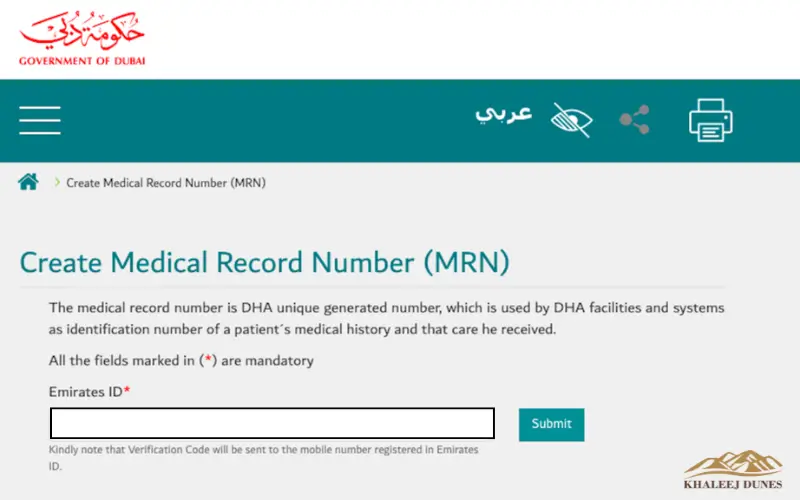
Documents Required for a DPI Test
Please ensure that the appropriate documents are submitted before visiting the testing center. The proper documents enable the registration process to be accelerated and delays while identifying passports will be minimized. These are typical requirements at most DPI testing centers:
- Original Emirates ID
- Passport (photo copy for visitors)
- A correct cell phone number
- Appointment confirmation
- Travel-related documents (if applicable)
All information supplied should be consistent with the information on your documents of identification. If there are discrepancies in personal information, it may cause delay in registering or test processing.
How to Book a DPI Test Appointment
The majority of DPI testing pits now offer online scheduling, making downtime for waiters utterly eliminated. Testing can be scheduled to suit your travel plans, including your preferred time, date and location. The booking process is very easy. Just type in personal details, select a test centre, select an appointment time and confirm your appointment. You’ll be notified of your booking with an SMS or an e-mail once it’s done.
Always use the authorized and safe booking portals to ensure your valid appointment is catered for, and save your personal data from getting lost. Always use reliable and authorized terms when booking appointments at DPI in the UAE to ensure you secure a valid appointment and prevent personal information from getting lost in the system.
If you travel during the busiest days or seasons (public holidays, weekends, festivals, hectic working days, school holidays around term, etc.), then please book your appointment ahead of time. People who make their appointments early have more flexibility and a better chance of being able to schedule an appointment at a time and day that is easier for them.
Current Status
At present, the DPI test in Sharjah wouldn’t be incorporated into the regular screening for Covid-19. With the growing advances of scientific knowledge, and on the basis of global health recommendations, the screening method was progressively replaced by PCR testing and other new diagnostic methods.
In most hospitals, clinics, and diagnostic laboratories, molecular testing is currently used because it allows direct identification of viral genetic material, which provides an increase in the level of diagnostic confidence. People looking for the same type of screening test are probably looking for it due to older travel information or outdated online material.
Why Was the Test Discontinued?
The progressive withdrawal of the screening method was a result of developments in both medicine and public health. Increased vaccine coverage and enhanced lab capabilities changed services to increasingly shift to more clinically reliable diagnostics. Concerns surrounding screening technologies persisted during the pandemic and PCR continued to be the benchmark test for COVID-19, even as other forms were evaluated. Therefore, the need for quick screening using blood samples dropped considerably.
Additionally, health authorities streamlined travel procedures as restrictions eased from abroad, meaning that some of the mass screening programs implemented during the emergency response phases were not necessary.
What Should You Do Instead?
Those still looking for information on this screening method tend to be in preparation for travel, job interviews, or self-screening for health reasons.Such individuals who are still looking for information about this screening method are typically preparing for travel, job interviews or personal health checkups. Currently, a PCR test typically is the best choice when documentation or medical confirmation is necessary.
Many diagnostic laboratories reported lab turnaround times to patients on the same day (in most cases, the day the samples were collected) compared to earlier in the pandemic when turnaround could take days. The appointment booking system has also been digitized, which has facilitated patients to reach the clinic at their convenience, and the home sample collection has made it even more convenient. You should do testing BEFORE traveling abroad, it is best to verify each entry regulations for each country, consult with your airline and confirm the type of test needed before scheduling an appointment. This will avoid additional costs and will help to ensure adherence to the current health regulations.
Common Reasons People Still Search for This Test
Thousands of people still do search online per month for this type of screening, although it’s now no longer a regular screening method for COVID-19. There are a lot of blogs, social media posts or outdated airline policies that remind of the test even after it has been more than a year. Others recall that it was used during Covid and query whether it is still available.
Other searchers are those who are planning a trip abroad and considerations testing options prior to making a booking. Understandably, there’s confusion, because there have been multiple changes to these restrictive laws throughout the pandemic. This is one reason why it is crucial to use up-to-date information and not articles written during the start of the public health emergency.
Travel Requirements Today
Travel policies are much less complicated than during the pandemic. Very few countries have begun to end their mandatory home/pre-departure or arrival COVID-19 testing. But other times, public health situations at the individual country level, airlines, cruise lines or event organizers may create temporary additional health requirements.
Passengers are always advised to check out the latest airline and country requirements before travelling. The information provided by government officials is more likely to be accurate than information provided by forums or older websites that may not accurately reflect current regulations.
PCR Testing as the Preferred Alternative
Nowadays, a polymerase chain reaction (PCR) test is the protocol recommended by health care providers for a laboratory diagnosis as needed. The genetic component of the virus is identified in the PCR test, whereas blood checks detect other bodily fluids or blood markers from the virus, making it one of the most reliable methods for diagnosing the virus.
Drastically reduced turnaround time in modern labs. Digital reporting has replaced much of the old face-to-face reporting with reporting now possible by many facilities in an hour or two, compared with the 10 days or more it used to take during the early part of the pandemic. One more positive aspect is that it is accepted internationally. Because they are based on the same standardized laboratory procedures, PCR reports are recognized by most governments, employers, education and healthcare institutions. People looking for DPI test in Sharjah may find that the only available test method at Sharjah hospital or diagnostic centers is the PCR test.
How to Choose a Reliable Testing Center
Finding the right healthcare providers is crucial as much as choosing the right tests. The hospitals have established laboratory facilities that are accredited with stringent adherence to the standards of quality, trained medical officers and validated diagnostic equipments. They also offer secure reporting systems for patients which will permit these to get their results online.
Prior to scheduling an appointment, pay attention to the accreditation, turnaround time, report writing format, customer support, appointment availability, clear pricing, and the list goes on. Patient reviews can also offer feedback on the wait time and quality of the service, which is beneficial to read through recent reviews. Having good healthcare workers that are able to convey clear instructions to the person and address their inquiries before taking the specimen helps ensure participants feel confident throughout the testing process.
Myths and Misconceptions
There are some misconceptions still prevailing around fast testing procedure for COVID-19 online. A popular view is that the screening method was as certain a diagnostic tool as PCR. The fact is, it was meant to be used as a quick diagnostic test and not a laboratory diagnosis.
One of the limiting belief errors is that the service is still offered everywhere. It has not been routinely used by most health care providers due to new medical guidelines and procedures which were found to be more effective. Others are of the opinion that old travel needs still prevail. It is actually in practice that entry conditions have altered significantly and travelers ought always to check up with the latest entry requirements before they travel rather than following guidance from past entries.
Why Accurate Information Matters
Healthcare data can have a direct impact on the decisions people make, travel plans, and healthcare. Older advices can lead to unnecessary costs, missed travel opportunities or miscommunication on test needs.
Medical statements are constantly developed based on the scientific research. Therefore, any time diagnostic testing is recommended, it is safest to keep relying on the advice of official health authorities, registered health care professionals and trusted medical or healthcare institutions. UAE has a robust healthcare system with access to globally recognized diagnostic laboratories, where diagnostic tests are carried out based on up to date clinical practice and regulatory standards.
Conclusion
Currently, the DPI test was a significant component of the Covid check that was administered in Sharjah and was a quick and convenient way of assessing people who may need further medical assessment. It was also very convenient because of its speed of turnaround and simple finger prick method, particularly during the times of greatest testing need such as when travel restrictions, and public health measures were at their highest.
Being well recognized and widely accepted globally, PCR testing gained popularity as medical knowledge increased and laboratory capabilities grew within healthcare systems, and replaced serological testing for its superior clinical accuracy. This led to the phased withdrawal of the DPI screening programme and to few health care providers continued providing screening as a regular service.
Also read:
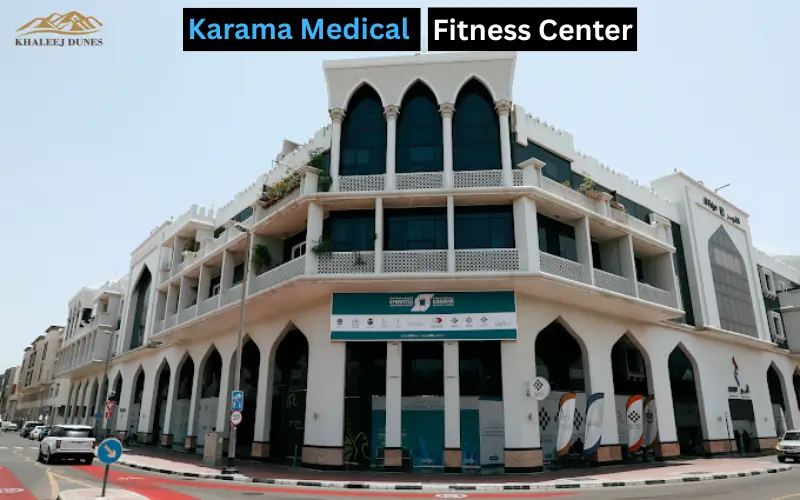
Karama Medical Fitness Center Dubai
Mina Rashid Screening Center Dubai
FAQs
How many days is a DPI test in Sharjah valid?
No. The DPI screening program is no longer offered and very few health care systems offer it. Testing for COVID-19 is now a PCR test, if necessary.
Why was testing discontinued at DPI?
The screening method was replaced, due to the higher level of diagnostic sensitivity of the PCR test which detects the virus directly. The changing nature of the travel regulations and increased capacity for laboratories in healthcare systems required an increase in DPI testing.
What is the difference between DPI test and PCR test?
Both tests require informed consent, and a DPI test utilize a small blood sample and laser-based technology for immediate screening, while a PCR test involves obtaining a swab of the nose/throat and takes longer to process but detects the genetic material of the virus. It’s generally agreed that the response is PCR, which is the more accurate method of diagnosis.
How many days did it take DPI to get the results?
The service was available and results were given generally within minutes, prior to and during the COVID-19 pandemic, this was among the quickest of COVID-19 screening tests.
Is it safe for me to travel abroad today as I have a DPI test result?
Not usually, we do not have many instances of having to provide PCR testing for travel. Check for the most up-to-date regulations with your airline or country of origin before traveling.
Is PCR testing available throughout Sharjah?
Yes. PCR is still being offered at hospitals, medical centers and qualified diagnostic labs throughout Sharjah, on an appointment and in some cases a walk-in basis.
How do I know if I should schedule an appointment for a COVID-19 test?
Make sure to find out which types of tests are required by your airline, your employer, your school or your country of flights. Make sure that the testing center is accredited and reports its results in a timely fashion, has reasonable pricing, and has appropriate identification procedures