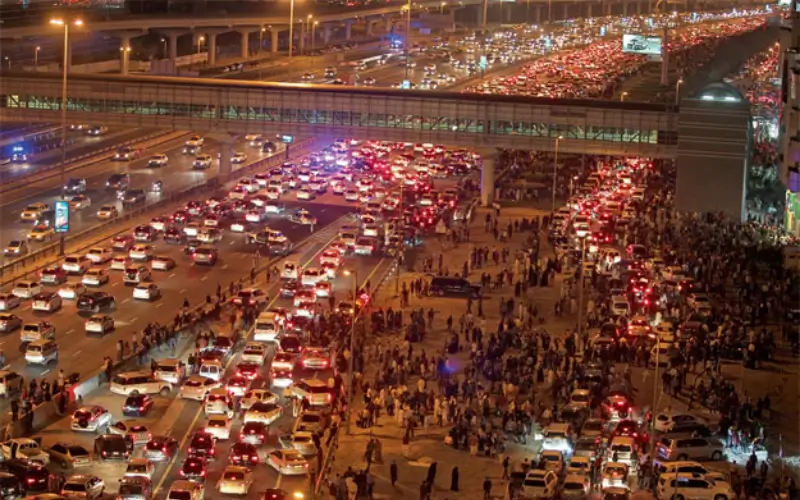

For most tourists, navigating Dubai via car can be hassle-free, with the city offering well-maintained roads, signage, and navigation assistance. However, it is necessary to note that, because Dubai has very strict traffic laws and uses speed cameras, smart systems, and regular monitoring, it is best to be aware.
Dubai’s road network serves as a bridge between the key regions, with highways providing vital connections like Sheikh Zayed Road, Al Khail Road, and Mohammed Bin Zayed Road. Being confident on the road and knowing how to avoid fines is helpful especially when catering to tourists or new residents in the country.
From its world-renowned attractions and beaches to shopping, business districts, and neighboring emirates, Dubai is a city to explore. Although public transport or taxis will get you to some of the popular sites, car rentals offer visitors greater flexibility when traveling at their own pace, and also allow them to venture away from the heaviest tourist crush. If you are planning to drive during your trip, a car rental in Dubai can be a convenient option. However, before getting behind the wheel, it is important to understand the local driving license requirements, road etiquette, parking rules, and essential safety practices.
This guide is packed with information about the Quilt, including:
- Legal uses of driving in Dubai.
- The main guidelines and traffic laws regarding driving in Dubai.
- Advice for travellers and novice drivers.
- Salik: Parking, fuel and info about emergencies.
- Common mistakes that visitors should avoid.
Quick Facts About Driving in Dubai
| Topic | Information |
| Driving side | Right-hand side of the road |
| Main authorities | RTA and Dubai Police |
| Road signs | Arabic and English |
| Navigation apps | Google Maps and Waze |
| Toll system | Salik electronic toll system |
| Emergency numbers | Police: 999, Ambulance: 998 |
Dubai offers a smooth driving experience when drivers follow the rules, plan routes in advance, and stay aware of surrounding traffic.
Is Driving in Dubai Easy for Tourists and New Drivers?
Yes, it’s relatively easy to drive around Dubai as a tourist or new driver: Roads are maintained to good standards, directions are clearly marked and there are modern highways throughout the region. The largest problem is adjusting to the fast-moving vehicles, several lanes and the high number of traffic regulations enforced.
Driving is on the right-hand side of the road, and the driver typically sits on the left side of the car in Dubai. Those coming from countries where they drive on the left may have to take some time to get used to curved roads, as well as overtaking on the left.
Can Tourists Drive in Dubai?
Dubai allows tourists to drive with a license from their home country, as long as it complies with the driving license regulations in the UAE.
Depending on the country of citizenship, visitors can drive on their national driving license or might need an International Driving Permit/IDP as well in combination with their home-country driving license. Conditions are subject to change and tourists should check the most recent rules and regulations from the UAE Government, Roads and Transport Authority (RTA), or the car rental agency.
What Should New Drivers Expect?
New drivers need to know:
- Heavy traffic on roads during peak time.
- Complicated intersections and multiple exits.
- Strict speed monitoring.
- End-of-the-street parking in highly trafficked areas.
Access to navigation systems, like Google Maps or Waze before driving and maintaining calmness if an exit is missed, can make navigation a lot easier.
In conclusion, the overall infrastructure of Dubai’s roads is quite efficient. Most tourists and new drivers, with some preparation and awareness about local driving habits, will have no reason for concern when driving in the city.
Essential Driving Rules in Dubai Every Driver Must Know
The rules about driving in Dubai also keep safety and predictability of customer behaviour and minimise accidents at the fore. The RTA and Dubai Police have been strictly enforcing these rules through traffic cameras, radar systems and smart monitoring technologies.
Follow Speed Limits
Speed is regulated on the road according to the situation, so please observe the speed limit marked above.
Residential, school and traffic-heavy areas have reduced speeds, with major roads having the higher limit. Speed cameras are common on the road, and drivers are advised not only to look at the number of cars on a road or the width of the road but also to determine the speed limit instead.
Wear Seat Belts and Protect Children
All passengers must use their seat belts when travelling. Children’s age, height and weight should be used to determine the type of child restraint to be used. Correct restraints minimize risk of major injury when stopping quickly or in an accident.
Follow Lane Discipline
Driving within the lane is one of the most significant rules to drive in Dubai.
Drivers should:
- Always signal before changing lanes.
- Look into the rear view mirrors and corners out of the way.
- Do not swerve into or out of lanes.
- Enter designated lanes before highway exits.
In many places, such as Sheikh Zayed Road which has many lanes of fast-moving cars, people need to be careful.
Respect Signals, Signs, and Pedestrians
Always follow:
- Traffic lights.
- Road signs.
- Lane arrows.
- Pedestrian crossings.
Dubai’s road signs are available in Arabic and English, making them easier for international drivers to understand.
Avoid Distractions and Dangerous Driving
Cellular phone calls cannot be made while operating a vehicle. Do not tailgate, change lanes aggressively, or brake suddenly, as these actions will put you at risk for a crash.
Give Way to Emergency Vehicles
Avoid entering a building to allow for safe passage by ambulances, police vehicles or fire engines when sirens or flashing lights are in use.
Never Drive After Drinking Alcohol
Driving while intoxicated is a strict law in the UAE. Alcohol use and driving can have severe legal repercussions, so plan to get to and from the driver’s seat in case you do use alcohol.
By following these rules, you can ensure your safety on Dubai’s roads and avoid penalties.
Driving Tips for New Drivers and First-Time Visitors
It’s the best course of action to feel confident when driving in Dubai by getting ready before you hit the road. Most of the common driving errors can be avoided by knowing your vehicle, planning a route and being alert.
Check Your Vehicle Before Driving
Before departure, take some time to familiarize yourself with the vehicle:
- Seat and mirrors adjusted.
- Review fuel and gauges.
- Discuss the controls for indicators, lights and wipers.
- Check documents are available.
When renting a car, know what should have been done and discuss the insurance requirements before you go.
Keep a Safe Distance
Keep a safe “gap” between cars so that you have time and space to respond.
Follow the three-second rule:
- Pick a point in front of you to watch.
- Count up to three seconds after it has passed the vehicle in front.
- That should be the finish line after you count.
Double this distance in conditions of fog or rain or heavy traffic.
Drive Carefully on Highways
The Dubai roads can be frightening for first timers, as can be Sheikh Zayed Road, Al Khail Road or Mohammed Bin Zayed Road.
Remember:
- Stay in your lane.
- Use indicators early.
- Before making lane changes, look for traffic in blind areas.
- Award punctuality for straight up-and-down flights to take an exit.
It’s better to miss an exit than to hazard a lane change.
Use Navigation and Plan Ahead
Google Maps and Waze are helpful tools to seek routes and find out about delays.
Before driving:
- Set your destination.
- Check traffic conditions.
- Discuss difficult interchanges or routes.
Make sure speeding traffic in peak traffic hours isn’t on the roads until the novice is a little more at ease.
Practical Guide to Driving in Dubai
As in every other respect, driving in Dubai is more easily mastered once you understand things about driving day-to-day, like how you use Salik, park the car, use the fuel pumps, and what to do if an accident occurs.
How Does Salik Work?
Whether you are heading northward from Dubai International Airport or following the longer route to Dubai World Trade Centre, Salik is Dubai’s electronic toll collection system that automatically charges vehicles passing through toll gates.
Drivers do not stop at toll points because charges are recorded electronically. If you are using a rental vehicle, confirm how Salik payments are handled with the provider before starting your trip.
Parking in Dubai
The municipalities in Dubai have enclosed neighborhoods where cars can be parked, but parking is strictly enforced.
When you are leaving the vehicle:
- Look for signs and restrictions on parking.
- Please pay parking charges.
- Never occupy entries, walkways or designated areas.
- Retain the parking receipt/digital confirmation as necessary.
Vibrant neighbourhoods like Downtown Dubai or Dubai Marina may experience greater parking demand, particularly in peak hours. There might be more parking needs in popular neighbourhoods like Downtown Dubai or Dubai Marina, especially during peak hours.
Fuel Stations and Vehicle Checks
There are a lot of fuel stations throughout Dubai, plus key roads. Before long trips:
- Check fuel level.
- Ensure the correct fuel is selected.
- Inspect tyres for condition and warning lights.
Cards are accepted at most stations and other extras are made available like vehicle checks.
What Should You Do After a Minor Accident?
In case of a minor accident:
- If safe, move to a safe place.
- Check for injuries.
- Now report to the official channels like Dubai Police App as needed.
- Notify your insurance company.
Important documents are available (Driving Licences, Vehicle Registration and Insurance details)
Emergency Numbers
| Service | Number |
| Police | 999 |
| Ambulance | 998 |
| Fire emergency | 997 |
Being prepared for these situations helps drivers handle unexpected problems calmly and correctly.
Common Driving Mistakes to Avoid in Dubai
Visitors often make mistakes in Dubai driving due to unfamiliarity with the road infrastructure, the speed of the vehicles on the road, and the enforcement of road rules. You can have a safer trip and avoid fines if you steer clear of these mistakes!
Speeding Because Roads Look Empty
With Dubai’s extensive highways, drivers can feel at ease to speed up. But, speeding is policed with cameras and radar equipment.
Avoid it by:
- Regularly reading speed judging signs.
- Obedience to the posted speed limit, even on traffic-free roads.
- Slowing down in areas around schools and residential properties.
Tailgating Other Vehicles
Following too close to the car in front slows down reaction time, and raises the likelihood of accidents.
Maintain required distance, particularly on highways with high rates of traffic flow.
Making Sudden Lane Changes
Tourists often wonder why they change lanes rather abruptly after missing an exit here.
Better approach:
- Plan a route before driving.
- Enter correct lane as soon as possible.
- If you do not make the next turning, take the next turning.
Ignoring Road Signs
While navigation can be useful, it should not take the place of road awareness.
Always follow:
- Lane arrows.
- Speed signs.
- Parking restrictions.
- Direction boards.
- Using a Phone While Driving
Reading or handling a phone while driving = dangerous distraction. Always set up the navigation before you move and, as needed, use the hands-free functions.
Incorrect Parking
Please do not park in restricted areas, enter without paying or block doors. Thousands of vehicles are parked illegally in Dubai, particularly in high-traffic commercial and tourist areas. In Dubai, parking enforcement is stringent, particularly with respect to commercial and tourist-centric areas.
With conscious driving, taking the signs, and understanding how to interact with local traffic patterns, most visitors’ car accident claims can be prevented from common pitfalls of first-time drivers.
Conclusion
While traveling by car can be a convenient method to discover Dubai, it is essential to comprehend its guidelines and driving practices for secure journeys.
Observe speed limits, keep a safe distance from others, signal, obey traffic signals, and find routes first and travel last. From tourist to resident, preparation is the key to a smoother, more enjoyable ride.
Always refer to the latest information provided by the Roads and Transport Authority (RTA) and official UAE sources before travelling, as it changes from time to time.
By driving responsibly and understanding the traffic regulations in Dubai, the roads in UAE can offer a safe and stress-free experience.
Frequently Asked Questions
Is there a way for women to be able to drive in Dubai?
Yes, females can drive in Dubai with the same laws and rules as males. As long as women comply with the conditions for obtaining a UAE driving license and documentation, they are allowed to obtain their driving license, book an Uber or taxi, and drive on their own.
Is it possible for me to get from Dubai to Abu Dhabi?
Yes, you can drive from Dubai to Abu Dhabi (via well-maintained highways connecting the two emirates).
Before travelling:
- Check your fuel level.
- Verify car records.
- Use Google Maps and Waze to plan a route.
In the event that you are renting a car, find out if you are able to travel to different emirates under the rental agreement.
Can I rely on Google Maps for my Dubai trip?
Yes, Dubai navigation by Google Maps is mostly accurate.
It provides:
- Route directions.
- Traffic updates.
- Estimated travel times.
- Alternative routes.
Several drivers utilize Waze as more of an alerting service for traffic. But be sure to obey official road signs when they conflict with app instructions.
Do tourists need an International Driving Permit (IDP) in Dubai?
It depends on the nationality of the visitor and their driving licence. Some tourists are able to drive with their licence from their country of origin and others require an IDP. Please ensure you check requirements for the UAE before travelling as they are subject to change.
Is it normal to have speed cameras in Dubai?
Dubai does have a large number of speed monitoring systems. Driving speed limits are imperative, irrespective of cameras being in view or not.
So what should I do in case I get a traffic ticket in Dubai?
The fines for traffic violations can be checked and paid via the official authority of Dubai. In case of using a rented vehicle, all processes might be managed by the rental company as provided in the rental agreement.